Colorectal health
The screening test people delay, and later wish they had booked sooner
Colorectal cancer is one of the most common cancers diagnosed in the UAE, yet it is also one of the most preventable. A single colonoscopy can find and remove precancerous polyps years before they become dangerous. This guide explains when to screen, what the procedure actually feels like, and why the numbers make the case for going sooner rather than later.
The trade-off, in one honest comparison
Most people who skip screening are not weighing risks carefully. They are avoiding a mildly uncomfortable day. Put the two paths side by side and the choice looks different.
Getting screened on time
- One day of liquid diet and bowel prep
- Roughly 30 minutes under sedation
- Precancerous polyps removed the same day
- Repeat only every 5 to 10 years if clear
- Early cancers caught while still curable
Waiting until symptoms appear
- Bleeding, weight loss, or a change in bowel habits
- Cancer often already at stage III or IV
- Surgery, chemotherapy, and possible stoma
- 5-year survival drops sharply after spread
- Months of treatment instead of one screening day
The numbers
Why the UAE picture is changing
Colorectal cancer sits among the top three cancers diagnosed in the UAE, and it is now the leading cancer in Emirati men according to the Ministry of Health and Prevention. What has changed in the last decade is the age of the patients. Cases in adults under 50 are rising across the GCC, mirroring a global trend flagged by the World Health Organization.
Diet is a big part of the story. Higher intake of processed meats, low fibre, sedentary work, obesity, and smoking all raise risk. Family history matters too: a first-degree relative with colon cancer roughly doubles your own risk, and hereditary syndromes like Lynch can push screening ages a decade earlier.
The uncomfortable truth is that early colorectal cancer is silent. By the time bleeding, cramping, or unexplained anaemia show up, the disease is often advanced. Screening exists specifically to close that gap.
When should you actually book a colonoscopy?
- Average risk, no family history: Start at age 45. If the scope is clear and no polyps are found, repeat every 10 years.
- One first-degree relative with colorectal cancer: Start at age 40, or 10 years before the age your relative was diagnosed, whichever comes first. Repeat every 5 years.
- Multiple relatives or a known syndrome: Speak to a specialist in your twenties. Screening may begin as early as 20 to 25 for Lynch syndrome or familial adenomatous polyposis.
- Inflammatory bowel disease: Ulcerative colitis or Crohn’s colitis of eight years or more warrants surveillance colonoscopy, usually every 1 to 2 years.
- Any red-flag symptom at any age: Rectal bleeding, persistent change in bowel habit, unexplained iron-deficiency anaemia, or unintended weight loss. Do not wait for a birthday, book the appointment.
What actually happens
The procedure in plain language
Prep is the part most people dread, and it is the least fun part of the day. You switch to a clear liquid diet for 24 hours and drink a laxative solution the evening before. The goal is a fully clean colon so the camera can see every millimetre of the lining.
On the day, you arrive fasting. An anaesthetist gives you sedation through a cannula and you fall asleep within a minute. The endoscopist passes a thin flexible camera through the rectum and around the colon, examining the lining and removing any polyps found. The whole thing takes 20 to 40 minutes.
You wake up in recovery, have tea and a biscuit, and go home a couple of hours later with a friend or family member driving. Most people are back at work the next morning.
Polyps: the reason colonoscopy prevents cancer, not just detects it
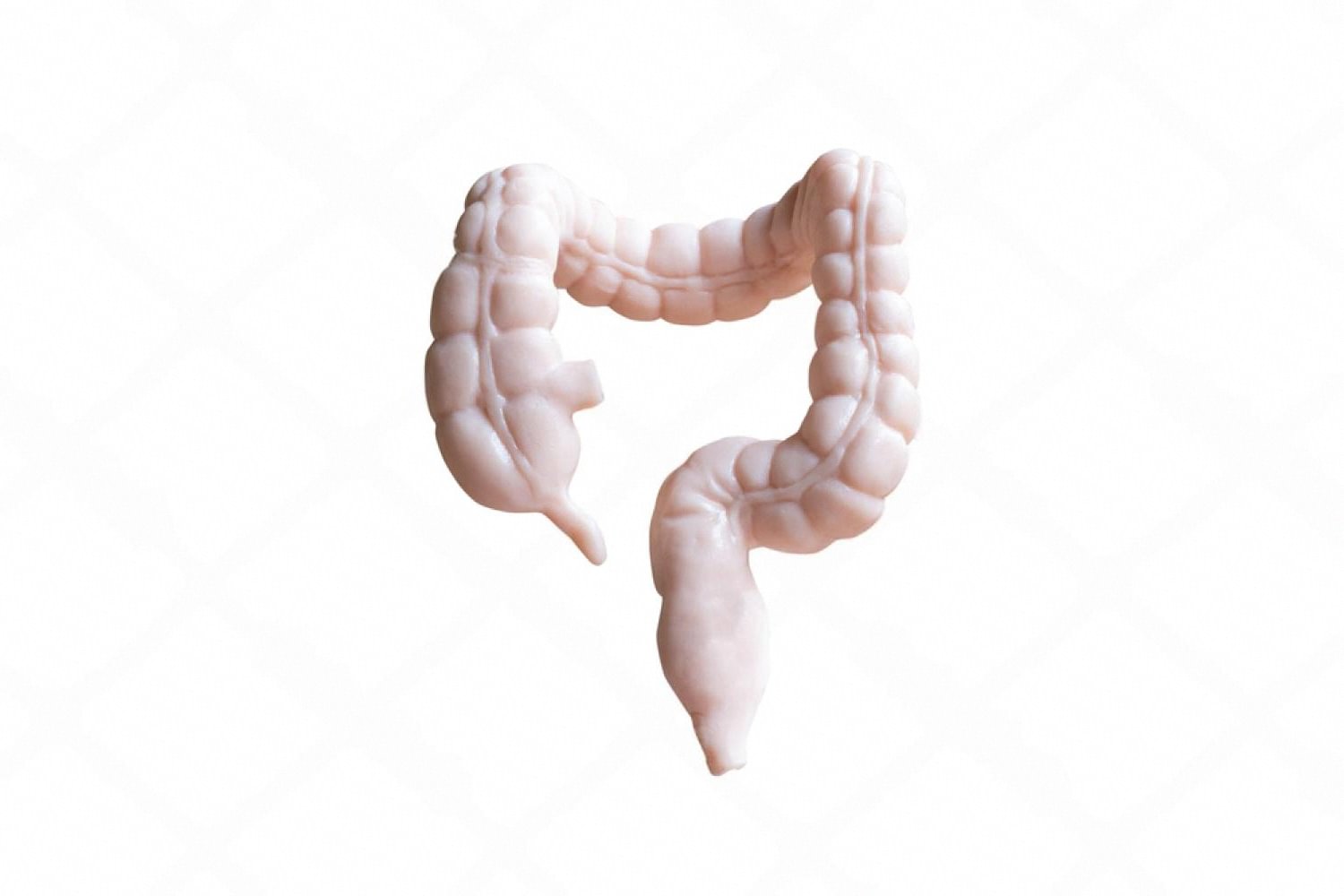
Nearly all colorectal cancers begin as a polyp, a small growth on the inner lining of the colon. Most polyps are harmless, but a subtype called adenomatous polyps can turn cancerous over 5 to 15 years. Colonoscopy is unique among cancer screenings because the same scope that finds a polyp also removes it, on the spot, using a small wire loop or biopsy forceps. You walk out having had a diagnostic test and a preventive treatment in one visit.
This is why colonoscopy is more powerful than stool-based tests alone. A FIT test can tell you something is bleeding, but it cannot excise a growing adenoma. Removing polyps has been shown to reduce colorectal cancer deaths by more than 50 percent in long-running cohort studies, including the landmark data summarised by the American Cancer Society.
Myths that keep people out of the clinic
“It only happens to older men”
Cases under 50 are climbing across the GCC. Women get colorectal cancer at nearly the same rate as men.
“No symptoms means no problem”
Early polyps and even early cancers rarely cause symptoms. That is exactly the point of screening.
“The procedure is painful”
You are sedated. Most patients remember nothing between lying down and waking up in recovery.
Your next step
Book the conversation, not just the test
A short consultation with a gastroenterologist or a proctology doctor will map your personal risk in about fifteen minutes. Bring what you know about your family history, any digestive symptoms, and your current medications. From there, screening is a straightforward calendar decision, not a leap into the unknown.
Frequently asked questions
Is a colonoscopy covered by health insurance in the UAE?
Most comprehensive health insurance plans in the UAE cover screening colonoscopy from age 45, and diagnostic colonoscopy at any age when there are symptoms or a relevant family history. Coverage details vary by insurer and network, so confirm pre-approval with your provider before booking.
How long does the whole colonoscopy day take?
You will typically be at the hospital or day-surgery unit for about 3 to 4 hours in total. The scope itself takes 20 to 40 minutes, with the rest of the time spent on admission, sedation setup, and recovery. You should not drive for the rest of the day.
Are stool tests like FIT a good alternative to colonoscopy?
Stool-based tests such as FIT and multi-target DNA tests are reasonable options for people at average risk who genuinely will not accept a colonoscopy. They need to be repeated every 1 to 3 years, and any positive result still requires a follow-up colonoscopy. They do not remove polyps, so they detect rather than prevent.
What are the risks of the procedure itself?
Colonoscopy is very safe in experienced hands. Serious complications are rare: bleeding after polyp removal occurs in roughly 1 in 1,000 cases, and perforation of the bowel wall in fewer than 1 in 2,000 screening exams. Sedation carries the usual small anaesthetic risks, which is why fitness screening is done beforehand.
What should I eat during colonoscopy prep?
The day before your procedure, stick to clear liquids: water, clear broth, apple juice, black tea or coffee without milk, and clear electrolyte drinks. Avoid anything red or purple, and skip solid food entirely. Your clinic will give you exact timing for the laxative solution, which is usually split between the evening before and the early morning of the exam.
How often should I repeat screening if everything is normal?
If your first colonoscopy at age 45 is completely clear and you have no family history, the standard interval is 10 years. If small polyps are found and removed, the interval usually shortens to 3 to 5 years depending on the number, size, and pathology. Your gastroenterologist will give you a specific date, in writing, at your follow-up visit.
Can younger adults in their 30s ask for a colonoscopy?
Yes, especially if you have symptoms such as rectal bleeding, persistent changes in bowel habit, unexplained anaemia, or a family history of colorectal cancer or polyps. Given the rising incidence of early-onset colorectal cancer, most UAE specialists will investigate red-flag symptoms at any age rather than wait until 45.

Football fan, self-starter, DJ, Bauhaus fan and critical graphic designer. Making at the junction of beauty and computer science to create great work for living breathing human beings. Check me out on Dribbble or Medium.